

Student Accommodation Safety Tips Every Student Should Know
Studying overseas sounds exciting, right? But, when it comes to student accommodation, safety must be students’ top priority. There is already a lot to adjust and adapt to for a foreign student in the new country. These include navigating through unfamiliar surroundings, cultural differences, and lifestyle changes. Thus, the student accommodation must be a safe place, especially when living independently for the first time. Knowing essential accommodation safety tips helps students focus on their studies and being prepared ensures peace of mind.

Table of Contents

Accommodation Safety Tips Before Moving In
To secure a safe housing and before settling into it there are a few things that students must remember. It is vital to ensure that the place is safe and secure. This includes checking all locks, doors, windows, and fire safety equipment such as smoke detectors and emergency exits. Further, make sure that the building’s entry system is reliable and inquire about any past security concerns in the area.
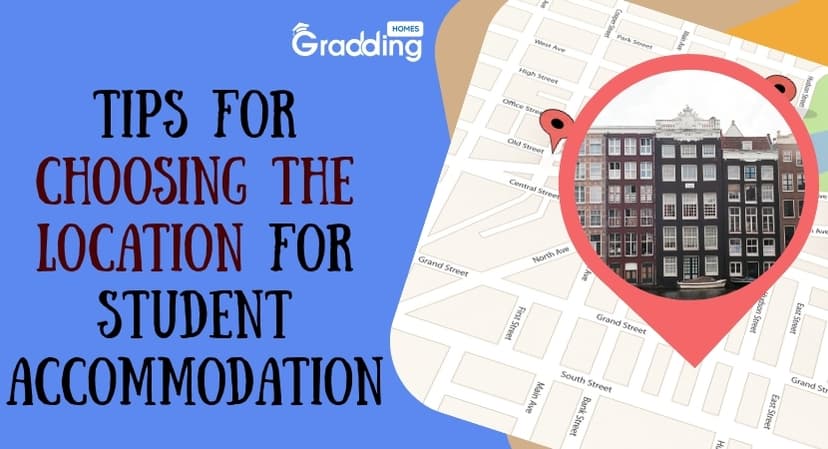
1. Research Your Neighborhood
Researching and understanding about your neighbourhood is essential. Look into crime rates, nearby amenities, and the overall vibe of the area at different times of the day to ensure it matches your lifestyle and safety needs.
2. Verify Landlord and Property
Confirm that the landlord is legitimate through official records and reviews. Besides, ensuring the property is legally registered and free of disputes is even more essential. Be aware of property scams and fake people who pose to be landlords.
3. Inspect Security Features
Check for working locks, secure windows, sufficient lighting, and surveillance or alarm systems that add an extra layer of protection. Besides, look for exits and staircases in the building to avoid panic at the time of need.
4. Understand Rental Agreements
Reading the contract thoroughly to understand clauses about deposits, stay during holidays, maintenance, responsibilities, and exit conditions before signing is crucial.
Day-to-Day Safety Practices
There are certain day-to-day safety practices that students must carry out to ensure a smooth stay at the student accommodation. The section below covers a few safety practices.
1. Lock Doors and Windows
Always keep doors and windows locked, even when you’re at home. Intruders often target easy entry points, so maintaining this habit reduces risk significantly. Make a habit of locking all doors and windows, if you are leaving your room and home even for a short period of time. Besides, for additional security, you can also install window sensors, alarms, security screens, and bars.
2. Avoid Sharing Keys or Access Codes
Do not lend your keys or share access codes. If copies are necessary for family or close friends, keep track of them and request the landlord to change locks if a key is ever lost. It is crucial to take safety precautions and prevent unwanted access to maintain security in student accommodation. Remember, never hide spare keys in easily discoverable places like under the doormat.
3. Get to Know Your Flatmates/Neighbors
Introduce yourself to those living nearby. A friendly relationship with neighbors and flatmates not only builds a sense of community but also adds an extra layer of support in case of emergencies. In fact, one must talk to current tenants about their experience, ask about the safety of the local area, and assess lifestyles are compatible, before agreeing to a property.
4. Secure Personal Belongings
To secure personal belongings in student accommodation, utilize lockable cupboards, safes, or storage trunks for valuables such as passports, electronics, and important documents. Be vigilant and pay attention to what's happening in communal areas to help prevent theft. Remember, you must avoid leaving expensive items in plain sight, especially near windows.
Emergency Contact List
For your student accommodation safety, prepare a list of emergency numbers including local police, fire services, healthcare facilities, and a trusted friend or family members. Keep a printed copy somewhere visible as well as a digital version on your phone. Besides, you can also categorize them for different situations (medical, security, management).
Digital & Financial Safety for Students
Digital and financial security is about protecting your hard money, important data, and financial information. It is especially essential when you are in the foreign land. Here are a few digital and financial safety tips for students:
- Use strong, unique passwords for all accounts related to your accommodation (Wi-Fi, online portals, rent payments).
- Enable two-factor authentication on banking and university accounts.
- Regularly update your phone, laptop, and security software to prevent malware attacks.
- Do not share your accommodation access codes, passwords, or ID scans with others.
- Set up a monthly budget for rent, groceries, and transport to avoid overspending.
- Watch out for online rental scams that ask for advance payment before viewing.
Travel & Outdoor Safety Tips
For travel and outdoor safety, students should always stay alert. There are a few safety measures listed below, read on and stay safe on your study abroad journey.
- Plan routes in advance and only use trusted, licensed transport options when returning to your accommodation, especially at night.
- Inform a friend or housemate about your whereabouts and expected arrival time when traveling late or to new areas.
- Keep emergency contacts saved in your phone and accessible at all times.
- Avoid walking alone after dark; if you must walk, stay in well-lit, populated areas.
- Stay alert to your surroundings, avoid distractions like headphones or texting while moving around outdoors.
- Avoid displaying valuables (phones, laptops) openly in public or near windows to deter theft near your accommodation.
Building a Support Network
Building a support network for students studying abroad is vital because it provides emotional security and a sense of belonging. Here are a few tips to help you navigate through the new environment.
- Attend social events, group activities, and orientation programs to meet fellow residents and build friendships.
- Join or form group chats or online communities for residents to communicate, share information, and offer mutual help.
- Participate in community dinners, cooking classes, or hobby clubs to find common ground with others living near you.
- Be respectful, open-minded, and supportive toward people from different backgrounds.
- Volunteer for resident leadership roles or peer mentoring to help newcomers and strengthen the overall community spirit.
- Hang out in common areas such as lounges, gardens, or study spaces to naturally connect with others.
Conclusion
Overall, as a student, it is important to focus on academics and social life. However, integrating these safety tips into your daily routine can ensure that your entire journey is just as successful, secure, and enjoyable. Besides, if you are seeking a decent student housing abroad that is safe and makes you feel home then you may seek assistance from GraddingHomes experts.
FAQs
1. How Do I Choose a Safe Student Accommodation Abroad?
Choosing a safe student accommodation is quite crucial when studying abroad. Well, there are certain things that you must keep in mind such as start early, prioritize verified sources, research neighborhood safety, and more. To choose safe student accommodation abroad look for places that guarantee security.
2. How Can International Students Protect Themselves from Rental Scams?
To protect against rental scams, international students should use trusted platforms. Never pay before signing a lease or viewing the property, and verify listings by checking photos. Moreover, avoiding suspicious payment methods like wire transfers or gift cards is crucial.
3. How Do I Secure My Valuables in Student Housing?
It is vital to secure valuables when staying in your student housing. Thus, you must lock all your doors and windows, use a secure drawer or portable safe for cash, jewelry, and electronics, and never leave spare keys under door mats. Besides, you can also make digital copies of important documents.
4. Can I Change my Student Housing After Moving In?
Yes, you can change your student housing after moving in. However, the process majorly depend on policies and may vary depending on a lot of factors. Thus, the reason for the change and availability of rooms is crucial.
5. What Should I Do If I Feel Unsafe in My Student Housing?
Burglars often look for easy targets, so keeping your place locked is the best way to keep them away. Moreover, it is crucial to be mindful of your belongings and keeping valuable items like laptops and phones out of sight when you're not in your room. Preferably using a lockable drawer or a safe, if available can be beneficial.
0 comments
14 People watching now
Chat with Expert
14 People watching now
Connect with our accommodation experts to discover verified properties that match your budget and preferences.
Chat with Expert
Most Affordable
Get 24x7 Facilities
Convenience & Comfort
Clean & Hygienic